From Fast Charging to Megawatt Charging Matching Power to Vehicle Duty Cycles
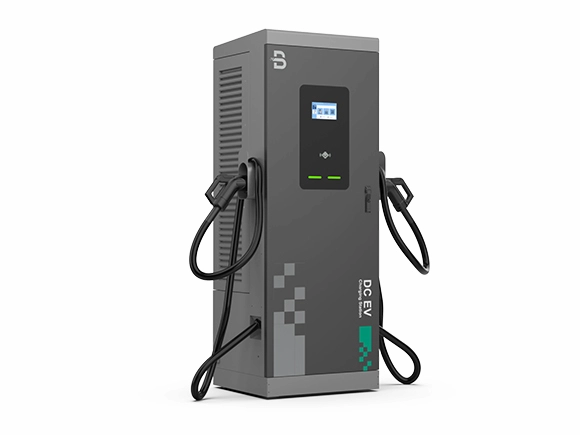
Charging power should follow the vehicle's energy requirement and available turnaround time. Selecting the highest advertised rating can increase grid, cooling, cable, and equipment costs without shortening sessions when the vehicle cannot sustain that power. This is especially important as projects move from passenger-car fast charging toward buses, delivery vehicles, and heavy trucks.
Start with usable charging time
For each vehicle class, estimate energy consumed per duty cycle, reserve requirement, arrival state of charge, next departure, and time connected. Divide required energy by usable charging time to establish a first average-power estimate, then add losses, scheduling constraints, and a practical margin. The vehicle charging curve and thermal limits determine how closely actual sessions can follow the charger rating.
Passenger cars at public sites may value short stops, but they often taper power as the battery fills. Depot vehicles may have longer predictable dwell. Buses can use overnight or opportunity charging. Heavy trucks on long routes may need very high power during regulated breaks. These patterns call for different power levels and site designs.
Match the connector and thermal system
Higher current increases heat in cables, connectors, contacts, and power electronics. Liquid-cooled cables can make high-current handling more practical, but they add pumps, coolant, sensors, seals, and maintenance requirements. Review the full operating range, derating behavior, connector temperature monitoring, cable handling, and service procedures.
The Megawatt Charging System is being developed for heavy-duty commercial vehicles and uses a dedicated connector and communications approach. It should not be treated as a simple higher-rated passenger-car connector. Vehicle support, site power, standard maturity, safety assessment, and the intended route network all need to align.
Design the site around coincident demand
high-power DC charging equipment should be selected from the vehicle energy demand, turnaround window, connector standard, and the site's available electrical capacity. Model several vehicles charging at once and distinguish cabinet capacity from power available at each connector. Dynamic allocation may improve utilization when not every vehicle needs maximum power simultaneously.
Engage the utility early. A multi-megawatt connection can require substantial lead time, dedicated transformation, protection studies, and tariff analysis. Battery storage may reduce short peaks or stage an interim deployment, but it does not create energy. Its capacity, charge window, losses, cycling, and controls must be included in the site model.
Specify performance and acceptance tests
Ask suppliers for power curves across input voltage, ambient temperature, altitude, and connector conditions. Define sustained-output tests, power-sharing behavior, vehicle interoperability, cooling alarms, meter accuracy, backend control, and recovery after faults. Acceptance should use representative vehicles or validated simulators.
The right power level is the one that reliably meets the duty cycle without creating unnecessary infrastructure. Review real session data after commissioning. If vehicles finish early and power remains underused, the next phase may need more connectors rather than larger chargers. If departures are missed, identify whether the cause is power, connection time, vehicle limits, or control priorities before adding capacity.