How Can Beer Brewing Equipment Support Different Beer Styles?
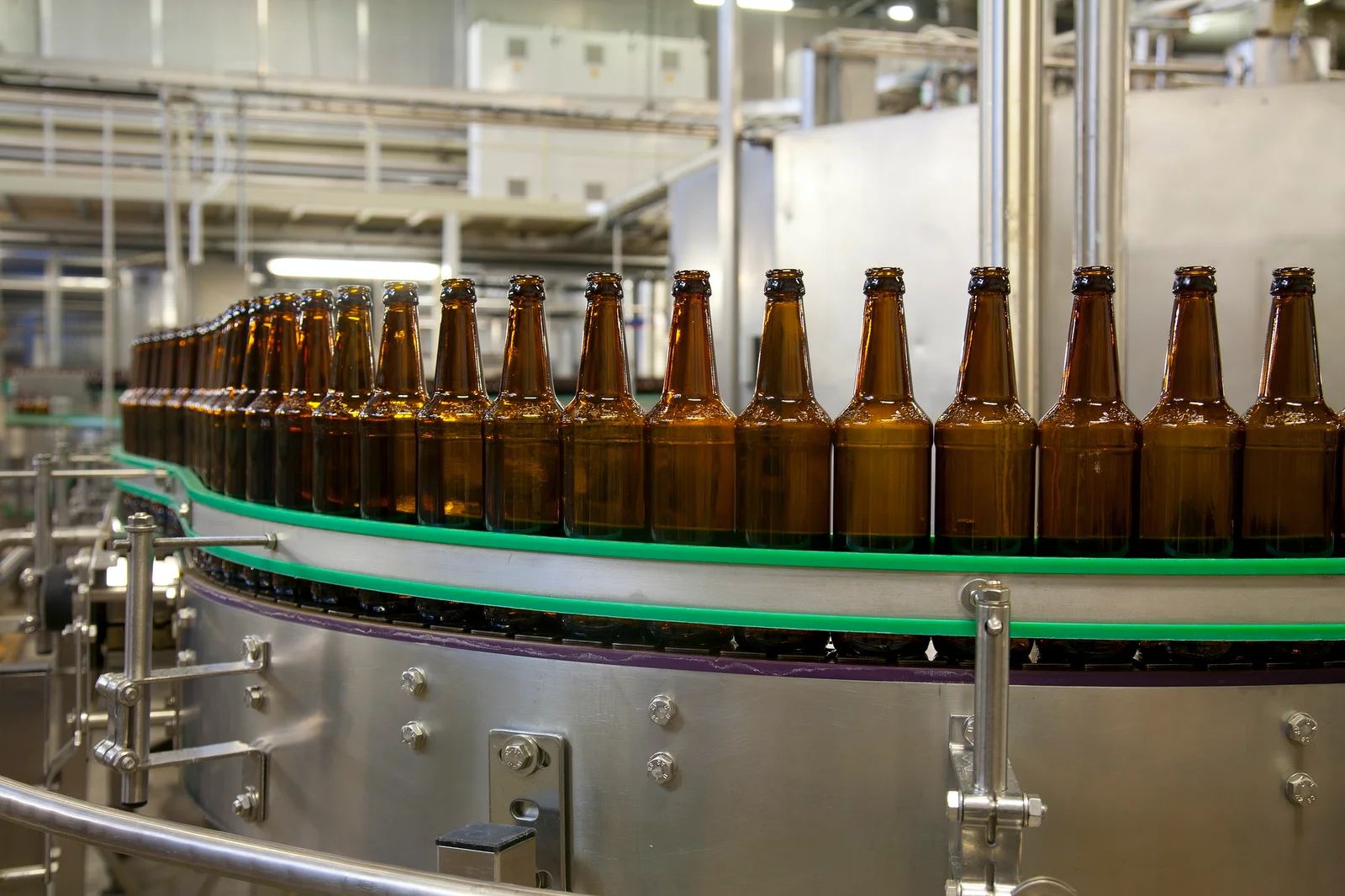
Different beer styles require different process conditions, so brewing equipment must provide control rather than a fixed production setup. Lager yeast commonly ferments at 8–13°C, while ale strains often operate warmer. Mash temperatures around 63–66°C can favor a more fermentable wort, while higher rests can support fuller body. American Lager is typically 4.2–5.3% ABV and 8–18 IBU, while American IPA commonly has medium to medium-high carbonation and stronger hop character. Equipment such as jacketed fermenters, variable-speed pumps, heat exchangers, pressure-rated tanks, dry-hop ports, carbonation stones, and CIP systems allows one brewery to handle those different requirements without changing its entire production line.
Beer style begins with the mash because the ratio of fermentable to less-fermentable sugars affects alcohol, body, and finish. A brewhouse with accurate heating and temperature measurement can hold a mash near 63–66°C for a more fermentable wort or move toward 67–70°C when a fuller texture is wanted. A 2021 BJCP reference set covers dozens of defined styles, showing how widely targets can vary in gravity, bitterness, carbonation, and fermentation profile. The equipment therefore needs enough temperature range and control resolution to support more than one recipe family.
A mash system that can hold 64°C within a narrow operating range can produce a very different wort from the same grain bill held near 69°C.
Heating method also changes how easily the brewer can repeat those temperatures. Steam jackets, electric elements, and direct-fired vessels can all heat wort, but the control response differs. For a 1,000 L brewhouse, a brewer may need to raise the mash by several degrees without creating hot spots around the vessel wall or heating surface. Agitation, sensor placement, and programmable controls become useful when recipes contain multiple rests or when a brewery produces both highly attenuated lagers and fuller-bodied ales within the same week.
Lautering places a different requirement on equipment because grain composition changes from style to style. A wheat-heavy beer can behave differently from a barley-only grist, while oats and rye can alter wort viscosity and runoff characteristics. A false bottom with suitable open area, a controllable pump, and adjustable runoff speed allow the brewer to respond to the grain bed instead of using one fixed flow rate. Wheat-based beer references commonly place wheat around 30–50% of the grist, while older BJCP guidance for Belgian witbier described roughly 50% unmalted wheat, illustrating why lautering hardware needs room for different grain ratios.
The kettle then has to deal with different hop and evaporation requirements. American IPA, for example, is defined by pronounced hop flavor and bitterness, while American Lager is commonly only 8–18 IBU. A brewery producing both may require different hop-loading procedures even when the kettle volume is identical. A whirlpool vessel or dedicated whirlpool function can help separate trub and hop material before fermentation, reducing the amount of solids entering the fermenter after a large hop addition.
| Brewing requirement | Useful equipment feature | Typical style application |
|---|---|---|
| 63–70°C mash control | Digital probes + controlled heating | Lager, ale, stout |
| 8–13°C fermentation | Glycol-jacketed fermenter | Lager |
| 18–22°C fermentation | Independent tank cooling | Many ales |
| High hop loading | Whirlpool + hop-handling port | IPA |
| High carbonation | Pressure-rated tank + carbonation stone | Light lager, specialty IPA |
| Closed transfer | CO₂-purged lines and vessels | IPA, pale lager |
Wort cooling links the hot side of the brewery with fermentation. Lager yeast generally works well around 8–13°C, and the BJCP notes that lagering can continue near 0°C. A heat exchanger therefore needs enough capacity to cool the wort quickly from boiling temperature to the selected pitching temperature. The required cooling rate depends on batch size, incoming water temperature, and target outlet temperature. In a brewery producing 1,000 L batches, a cooling system sized for winter water conditions may not perform the same way during summer conditions, so chilled water or a cold-liquor tank may be required.
Fermentation vessels then separate production into different temperature programs. Lager yeast commonly performs around 8–13°C, while ale production generally uses warmer conditions. A brewery with six independent jacketed tanks can, for example, run 2 lager batches near 10°C, 2 pale ales near 19°C, and 2 stronger ales at higher setpoints without forcing every beer into the same fermentation schedule. Independent probes and glycol valves let each tank follow its own profile rather than relying on one cellar temperature.
Tank pressure adds another layer of control. Pressure-rated unitanks can support fermentation, maturation, carbonation, and closed transfer in one vessel. A spunding valve can regulate fermentation pressure, while a carbonation stone can introduce CO₂ after fermentation. High-carbonation styles need tighter control than beers with moderate carbonation; BJCP describes American Lager as very highly carbonated, while American IPA is generally medium to medium-high. The vessel must therefore have a pressure rating suitable for the intended process rather than simply being used as a conventional fermenter.
Dry hopping creates another equipment requirement because hop quantities can be large and post-fermentation oxygen exposure matters for hop-forward beers. A closed hop-dosing port, dry-hop vessel, or pressure-capable addition system can allow hops to enter the tank without repeatedly opening the fermenter. For an IPA using 5 kg of hops in a 1,000 L batch, the equipment must handle both the physical solids and the transfer path needed to remove beer afterward without excessive blockage.
For hop-heavy production, tank ports, valve diameter, racking-arm position, and solids collection capacity should be specified together rather than purchased as separate accessories.
Beer style also affects tank residence time. A standard-strength ale may move from fermentation toward packaging within a shorter schedule, while a lager can require cold conditioning close to 0°C. The BJCP describes lager yeast as remaining active during conditioning at temperatures down to approximately 0°C. A brewery with 10 fermenters may therefore need more cellar volume for lager production than for an ale portfolio even when both beers use the same 1,000 L brewhouse.
Carbonation equipment provides another style-specific control point. American Lager is described as highly carbonated, while some specialty IPA categories call for high to very high carbonation. Temperature, tank pressure, contact time, and CO₂ delivery rate all influence dissolved gas. A bright beer tank equipped with a carbonation stone can provide a repeatable process, while pressure gauges and temperature sensors help the brewer match the carbonation level to each beer rather than using one fixed setting.
The serving system also matters because carbonation and temperature remain connected after packaging. The Brewers Association's draught guidance recommends roughly 38–44°F for most beer styles, while noting that very cold beer retains more CO₂ and can produce a different sensory experience. Equipment therefore extends beyond the cellar: keg pressure regulators, beer lines, faucets, refrigeration, and draft balance all need to match the finished beer.
Sanitation places another requirement on multi-style breweries. Dark beers, hop-heavy beers, high-gravity beers, and yeast-rich fermentations can leave different residues, so tanks need effective spray coverage, drainable piping, sanitary fittings, and repeatable CIP procedures. A brewery producing 4–6 styles per month may clean the same fermenter repeatedly between different recipes, increasing the importance of tank geometry and pipe layout. Dead legs, poorly positioned valves, and difficult-to-drain sections make cleaning less consistent.
Automation can tie the process together without removing brewer oversight. Recipe controls can store mash steps, pump speeds, fermentation setpoints, tank pressure limits, and cleaning sequences. For a brewery producing 5,000 L across several tanks, digital records also make it easier to compare a 10°C lager fermentation with a 20°C ale fermentation and identify where process settings changed. Temperature, gravity, pressure, and transfer records are more useful when collected from the same sensors and instruments used to operate the equipment.
For breweries selecting hgmc beer equipment, the practical specification should start with the intended beer range rather than vessel volume alone. A brewery focused on lagers may need stronger refrigeration and greater cellar capacity, while an IPA-focused brewery may put more emphasis on dry-hop handling, closed transfer, hop solids separation, and oxygen control. A mixed portfolio may require all four.
A simple equipment-planning comparison can look like this:
| Beer profile | Process range | Equipment emphasis |
|---|---|---|
| American Lager | 4.2–5.3% ABV; 8–18 IBU | Cold fermentation, high carbonation |
| American IPA | Medium body; medium-high carbonation | Hop handling, dry hopping, closed transfer |
| American Wheat | 4.0–5.5% ABV; 15–30 IBU | Grain-bed handling, yeast control |
| Lager family | About 8–13°C fermentation | Glycol capacity, cold conditioning |
| Specialty high-carbonation IPA | High to very high carbonation | Pressure-rated tank, CO₂ control |
The equipment configuration changes again when the brewery needs several styles at the same time. If two 1,000 L tanks are fermenting lager at 10°C, two are holding ale near 19°C, and another two are conditioning beer near 0°C, glycol demand can be very different from a cellar where all six tanks remain around 19°C. Refrigeration capacity, hot-water storage, steam generation, CO₂ supply, drainage, and electrical capacity should therefore be calculated from simultaneous use rather than individual tank volume. A brewery with 6 × 1,000 L fermenters has 6,000 L of nominal cellar capacity, but the actual production schedule depends on how long each style occupies those tanks.