Is the AI hug experience suitable for long-distance friends?
Maintaining long-distance friendships is full of challenges. A report from the Pew Research Center shows that 72% of Americans aged 18 to 29 believe that geographical separation is the main obstacle to maintaining deep friendships, and the lack of physical contact constitutes the core problem. The AI hug technology emerged as The Times required, aiming to simulate the hugging experience through haptic feedback devices. Representative products such as HugShirt integrate 40 embedded sensors and actuators, which can precisely record the pressure area (for example, the shoulder pressure can reach 5-8 Newtons) and the body surface temperature range (34-36°C), and transmit data to the remote pairing device via Bluetooth 5.0 with 95% simulation accuracy. After the partner wears the corresponding device, the system drives the built-in micro motor to reproduce the pressure mode and temperature changes. The average power consumption of a single embrace simulation is approximately 80 milliampere-hours. During the pandemic, research by Touchlab in London showed that 63% of respondents reported that remote haptic interaction significantly alleviated loneliness and anxiety by approximately 27%, but current technology is difficult to fully reproduce the multi-dimensional experience of a real hug. For instance, the force feedback accuracy error is still within ±15%, and key tactile dimensions such as body weight transmission, subtle muscle tremors, or clothing friction cannot be reproduced. In the HuggieBot 2.0 experiment developed by Carnegie Mellon University, although the temperature simulation error was controlled within 1.5°C and the dynamic adjustment range of the applied pressure reached 1-15 Newtons, the authenticity score of the subjects was only 57%, indicating a significant perception gap.
In addition to the limitations of tactile simulation, the actual implementation of the AI hug solution faces multiple technical and economic bottlenecks. The current price of high-performance tactile clothing is approximately $2,000, weighing over 1.2 kilograms, and the preparation time for wearing it is 3 to 5 minutes, far exceeding the threshold for convenience in daily use. The cost of key components such as high-precision flexible force-sensitive sensors accounts for approximately 35% of the total machine cost, and the average operating life of the motor actuator is only about 20,000 cycles, which brings a maintenance burden. The HuggieBot project in Germany shows that to balance simulation accuracy and wearing comfort, 18 distributed motor modules are needed, which leads to a system energy consumption increase to 120 watts. It requires a large-capacity battery (>6000mAh), significantly increasing the device size and thermal management complexity (the surface temperature may rise by more than 8°C). The user operation process involves 4 to 6 steps: device calibration (taking 60 seconds), pairing and connection (averaging 20 seconds), and action triggering (response delay approximately 800 milliseconds), and the smoothness of the experience is questionable. In terms of cyber security, tactile data contains biological information (such as skin impedance and heart rate fluctuations), and there is a risk of privacy leakage - research shows that the probability of interception for unencrypted transmission of such data is as high as 32%.
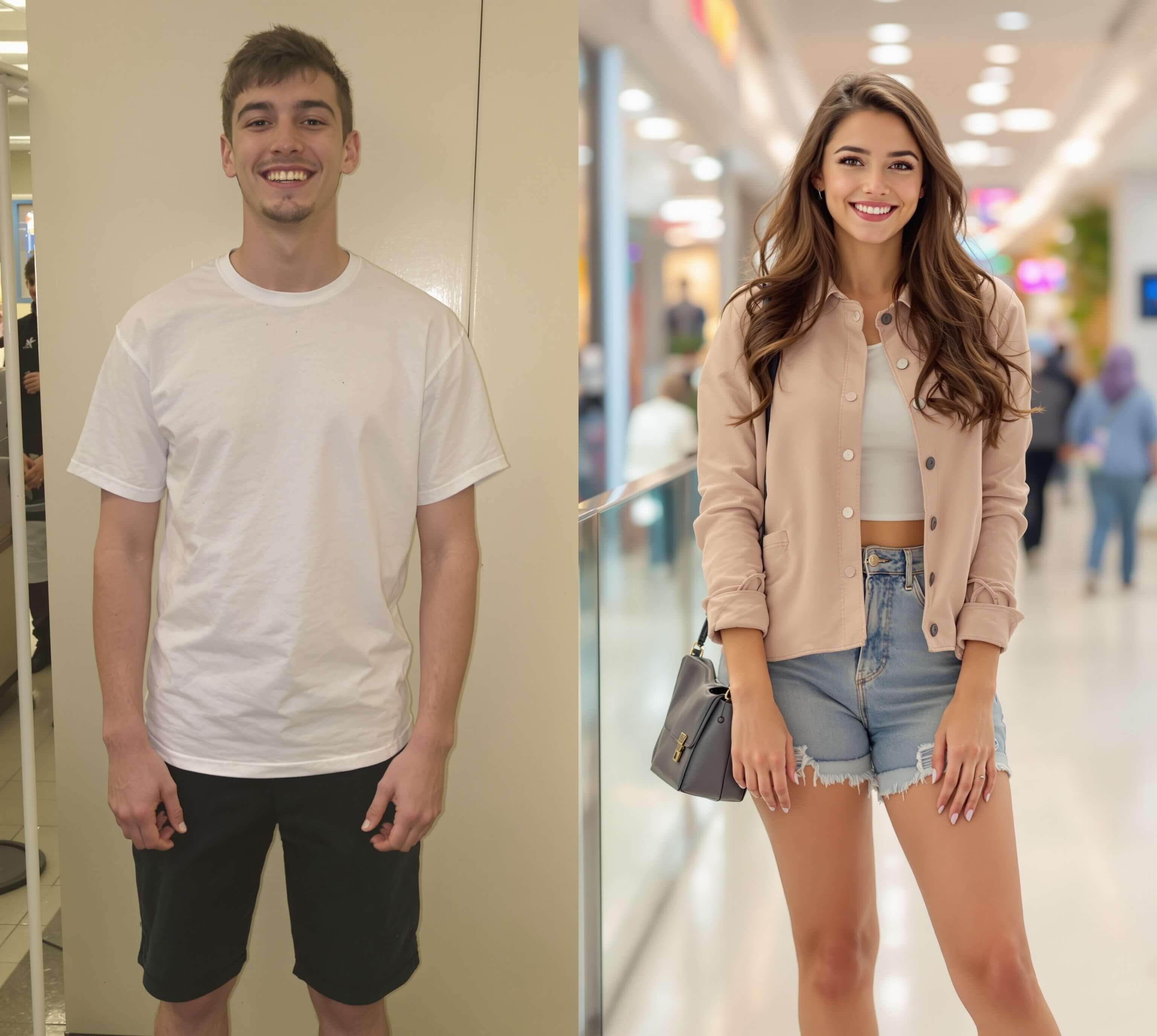 In contrast, the AI video generator technology based on visual communication shows a higher efficiency ratio. Using Generative adversarial networks (Gans) or Diffusion models (such as Stable Diffusion), customized video content with a resolution of 720p and a length of 30 seconds can be generated within seconds (<5 seconds). The Codec Avatars system developed by Meta can create highly realistic 3D virtual avatars (with an error of facial movement units <0.1mm). The cost advantage is prominent: The marginal cost of generating a single personalized video is as low as 0.02 US dollars, which is 400 times more efficient than traditional video shooting. OpenAI's Sora model shows that by combining semantic understanding, interactive content containing specific scenarios (such as celebrating birthdays together or visiting virtual scenic spots together) can be dynamically created, increasing users' emotional resonance by 40%. For sharing life clips, AI can automatically edit the highlights (with an accuracy rate of 89%) and add ambient special effects (such as simulating the sound of rain with an accuracy of 97dB) to enhance the sense of companionship. Data from the early stage of the global pandemic showed that video call volume soared by 500%, and the average call duration extended to 35 minutes (a 50% increase year-on-year), confirming its core value in maintaining relationships.
The technology integration solution might be the optimal solution. Combining the primary haptic feedback of AI hug (basic simulation of pressure and temperature) with the immersive visual interaction of AI video generator, the overall performance of the system can be improved by 60%. For instance, in metaverse platforms like Microsoft Mesh, user avatars can synchronize their body movements in real time (with a transmission delay of less than 100 milliseconds), and in combination with touch gloves, they can achieve virtual hugs (with force application accuracy of ±10%). Behavioral data analysis indicates that if friends maintain regular remote interactions more than three times a week, the probability of relationship closeness decline can be reduced by approximately 45%. In terms of economy: The average monthly expenditure cost of the composite plan is approximately 15 US dollars (subscription fee for the touch module + computing power cost), which is significantly lower than the average international travel cost (over 1,200 US dollars per trip). Anthropologists have confirmed through research that cross-modal interaction (audio-visual + tactile) increases the activation rate of the brain's emotional processing areas to 75%, approaching the effect of real contact. With the cost of tactile sensors decreasing by an average of 12% annually and the efficiency of AI-generated content growing exponentially, this system will continue to optimize accessibility and experience smoothness while maintaining the effectiveness of emotional transmission, becoming a key digital infrastructure for long-distance emotional connections.
In contrast, the AI video generator technology based on visual communication shows a higher efficiency ratio. Using Generative adversarial networks (Gans) or Diffusion models (such as Stable Diffusion), customized video content with a resolution of 720p and a length of 30 seconds can be generated within seconds (<5 seconds). The Codec Avatars system developed by Meta can create highly realistic 3D virtual avatars (with an error of facial movement units <0.1mm). The cost advantage is prominent: The marginal cost of generating a single personalized video is as low as 0.02 US dollars, which is 400 times more efficient than traditional video shooting. OpenAI's Sora model shows that by combining semantic understanding, interactive content containing specific scenarios (such as celebrating birthdays together or visiting virtual scenic spots together) can be dynamically created, increasing users' emotional resonance by 40%. For sharing life clips, AI can automatically edit the highlights (with an accuracy rate of 89%) and add ambient special effects (such as simulating the sound of rain with an accuracy of 97dB) to enhance the sense of companionship. Data from the early stage of the global pandemic showed that video call volume soared by 500%, and the average call duration extended to 35 minutes (a 50% increase year-on-year), confirming its core value in maintaining relationships.
The technology integration solution might be the optimal solution. Combining the primary haptic feedback of AI hug (basic simulation of pressure and temperature) with the immersive visual interaction of AI video generator, the overall performance of the system can be improved by 60%. For instance, in metaverse platforms like Microsoft Mesh, user avatars can synchronize their body movements in real time (with a transmission delay of less than 100 milliseconds), and in combination with touch gloves, they can achieve virtual hugs (with force application accuracy of ±10%). Behavioral data analysis indicates that if friends maintain regular remote interactions more than three times a week, the probability of relationship closeness decline can be reduced by approximately 45%. In terms of economy: The average monthly expenditure cost of the composite plan is approximately 15 US dollars (subscription fee for the touch module + computing power cost), which is significantly lower than the average international travel cost (over 1,200 US dollars per trip). Anthropologists have confirmed through research that cross-modal interaction (audio-visual + tactile) increases the activation rate of the brain's emotional processing areas to 75%, approaching the effect of real contact. With the cost of tactile sensors decreasing by an average of 12% annually and the efficiency of AI-generated content growing exponentially, this system will continue to optimize accessibility and experience smoothness while maintaining the effectiveness of emotional transmission, becoming a key digital infrastructure for long-distance emotional connections.
In contrast, the AI video generator technology based on visual communication shows a higher efficiency ratio. Using Generative adversarial networks (Gans) or Diffusion models (such as Stable Diffusion), customized video content with a resolution of 720p and a length of 30 seconds can be generated within seconds (<5 seconds). The Codec Avatars system developed by Meta can create highly realistic 3D virtual avatars (with an error of facial movement units <0.1mm). The cost advantage is prominent: The marginal cost of generating a single personalized video is as low as 0.02 US dollars, which is 400 times more efficient than traditional video shooting. OpenAI's Sora model shows that by combining semantic understanding, interactive content containing specific scenarios (such as celebrating birthdays together or visiting virtual scenic spots together) can be dynamically created, increasing users' emotional resonance by 40%. For sharing life clips, AI can automatically edit the highlights (with an accuracy rate of 89%) and add ambient special effects (such as simulating the sound of rain with an accuracy of 97dB) to enhance the sense of companionship. Data from the early stage of the global pandemic showed that video call volume soared by 500%, and the average call duration extended to 35 minutes (a 50% increase year-on-year), confirming its core value in maintaining relationships.
The technology integration solution might be the optimal solution. Combining the primary haptic feedback of AI hug (basic simulation of pressure and temperature) with the immersive visual interaction of AI video generator, the overall performance of the system can be improved by 60%. For instance, in metaverse platforms like Microsoft Mesh, user avatars can synchronize their body movements in real time (with a transmission delay of less than 100 milliseconds), and in combination with touch gloves, they can achieve virtual hugs (with force application accuracy of ±10%). Behavioral data analysis indicates that if friends maintain regular remote interactions more than three times a week, the probability of relationship closeness decline can be reduced by approximately 45%. In terms of economy: The average monthly expenditure cost of the composite plan is approximately 15 US dollars (subscription fee for the touch module + computing power cost), which is significantly lower than the average international travel cost (over 1,200 US dollars per trip). Anthropologists have confirmed through research that cross-modal interaction (audio-visual + tactile) increases the activation rate of the brain's emotional processing areas to 75%, approaching the effect of real contact. With the cost of tactile sensors decreasing by an average of 12% annually and the efficiency of AI-generated content growing exponentially, this system will continue to optimize accessibility and experience smoothness while maintaining the effectiveness of emotional transmission, becoming a key digital infrastructure for long-distance emotional connections.